
Think you need 20% down to buy a home? Think again! One of the biggest misconceptions about buying a home is that you need a small fortune sitting in your savings account before you can even consider becoming a homeowner.
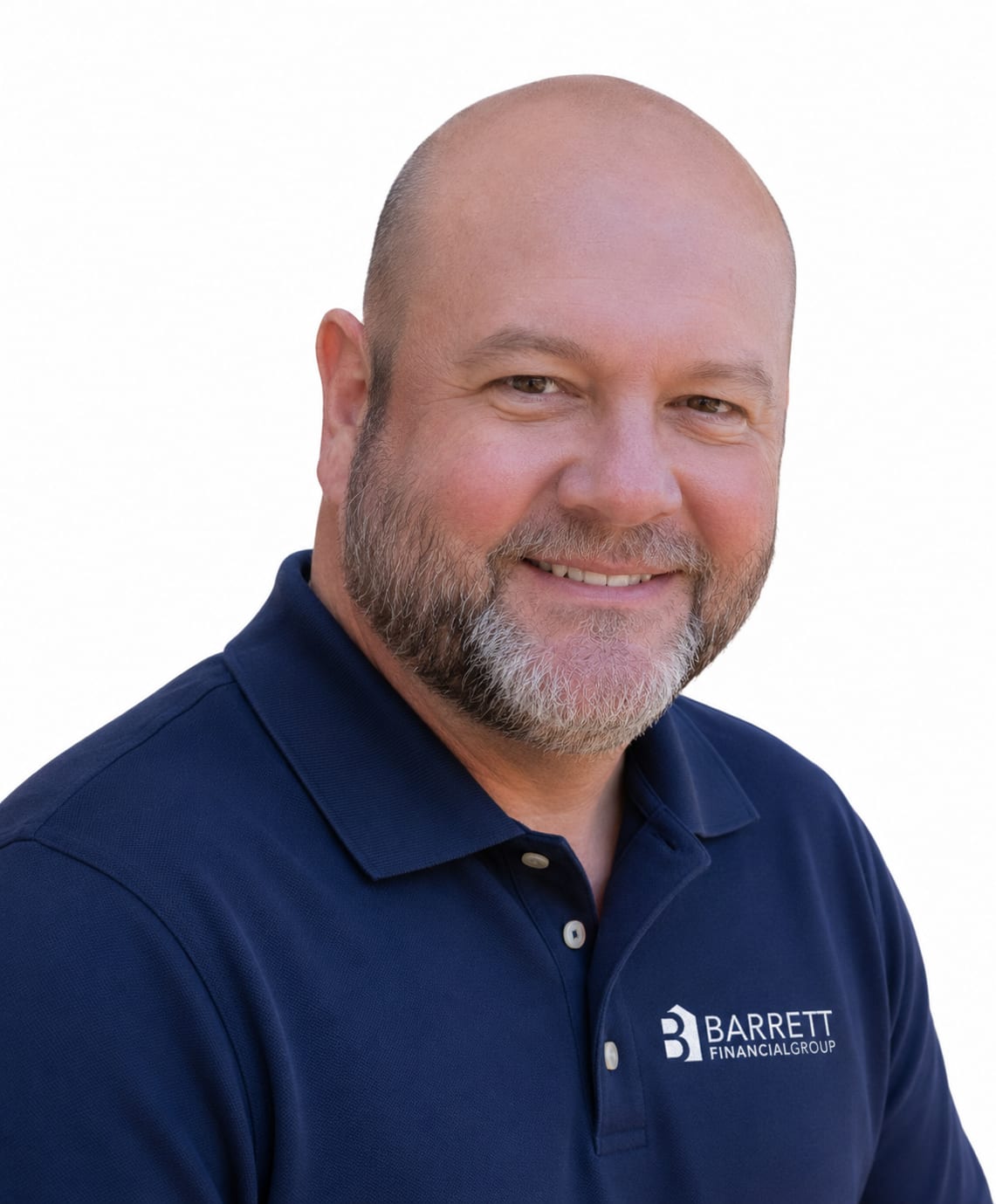
I'm Rich Iacovetta, a mortgage broker with Barrett Financial Group LLC in Folsom, California. I've been helping people navigate the mortgage process since 2003, and one of the most common things I hear from potential homebuyers is, "I'd love to buy a house, but I just don't have 20% saved."
Here's the good news: You may need a lot less than you think.
Whether you're looking to purchase your first home in Sacramento, move to Folsom, or buy somewhere else in the surrounding area, understanding your down payment options could bring homeownership closer than you realize.
1. The 20% Down Payment Myth
Let's start with one of the biggest mortgage myths out there.
You do NOT need 20% down to buy a home.
While putting 20% down has advantages, including potentially avoiding mortgage insurance on a conventional loan, it's not a requirement for many mortgage programs.
In fact, qualified buyers may be able to purchase a home with as little as 3%, 3.5%, or even 0% down, depending on the loan program.
That means you don't necessarily need to spend the next decade saving while watching home prices and rents change around you.
The important thing is understanding which programs you qualify for and how the different options affect your monthly payment.
2. Conventional Loans: As Little as 3% Down
Many people assume conventional loans require large down payments.
That's simply not true.
Certain conventional mortgage programs allow eligible borrowers to purchase a primary residence with as little as 3% down.
For example, let's say you're purchasing a home in Sacramento for $500,000.
With a 3% down payment, you would need:
$15,000 down.
Compare that with the $100,000 required for a 20% down payment on the same home.
That's an $85,000 difference!
Of course, conventional loans with less than 20% down generally require private mortgage insurance (PMI), and your credit profile and other qualifications can affect the overall cost.
But for many buyers, a low-down-payment conventional loan is worth exploring.
3. FHA Loans: As Little as 3.5% Down
FHA loans are another popular option, especially for buyers who may need more flexibility with credit or qualifying requirements.
FHA loans allow eligible borrowers with qualifying credit scores to purchase a home with as little as 3.5% down.
Using that same $500,000 Sacramento home:
3.5% down = $17,500.
FHA loans generally require both upfront and annual mortgage insurance premiums, which should be considered when comparing loan options.
And here's something that surprises people: FHA loans aren't just for first-time homebuyers.
You may qualify even if you've owned a home before, provided you meet the applicable program requirements.
4. VA Loans: Zero Down for Eligible Veterans
If you're an eligible veteran, active-duty service member, or qualifying surviving spouse, a VA loan may offer one of the most attractive down payment options available.
Many eligible VA borrowers can purchase a home with no down payment.
VA loans also generally don't require monthly mortgage insurance, although a VA funding fee may apply unless you're exempt.
That can make a meaningful difference in both your upfront expenses and monthly payment.
I've always felt that veterans should understand the home financing benefits they've earned through their service.
If you're eligible for a VA loan, it's absolutely worth comparing with your other financing options.
5. Down Payment Assistance: Help May Be Available
California has programs designed to help eligible homebuyers with down payments and, in some cases, closing costs.
Depending on the program, assistance may come in the form of a deferred-payment loan, a repayable second mortgage, or another type of financing.
Programs such as those offered through the California Housing Finance Agency (CalHFA) may be worth exploring.
However, eligibility requirements, income limits, funding availability, and repayment terms vary.
Some programs also have restrictions related to first-time homebuyer status, homebuyer education, or participating lenders.
My advice: Don't assume you won't qualify for assistance until we've had a chance to review your circumstances.
And remember, down payment assistance isn't necessarily free money. Understanding the terms is just as important as understanding the benefit.
6. Don't Forget About Closing Costs
Here's where some homebuyers get caught off guard.
Your down payment and your closing costs are two different things.
Closing costs can include expenses such as lender and title fees, appraisal charges, prepaid homeowners insurance, prepaid interest, and deposits into an escrow account for property taxes and insurance.
Depending on the loan and transaction, closing costs can add thousands of dollars to the amount needed at closing.
For example, if you're buying a $500,000 home with 3% down, your down payment might be $15,000, but that doesn't mean $15,000 is all you'll need.
Seller concessions, lender credits, or certain assistance programs may help offset eligible costs, subject to program rules and negotiations.
My advice: Before you start shopping for homes, let's look at the complete estimated cash needed to close.
Nobody wants to get to the closing table and discover their savings account needs a second job.
7. How Much Should You Actually Put Down?
Just because you qualify for a low-down-payment mortgage doesn't necessarily mean you should put down the absolute minimum.
The right amount depends on your finances and long-term goals.
A larger down payment may reduce your loan amount, lower your monthly payment, improve certain loan pricing, or help you avoid mortgage insurance.
On the other hand, keeping more money in savings may give you a financial cushion for emergencies, repairs, or other expenses after moving in.
I always encourage my clients to consider the complete picture.
After all, owning a home is exciting, but having enough money left over to actually enjoy living in it is pretty important too.
Buying a Home in Sacramento or Folsom? Let's Explore Your Options.
Whether you're a first-time homebuyer in Sacramento, looking for a home in Folsom, or considering a purchase elsewhere in Placer or El Dorado County, don't let the 20% down payment myth keep you from exploring homeownership.
As a mortgage broker with Barrett Financial Group LLC, I work with multiple wholesale lenders and can help you compare financing programs based on your qualifications, available funds, and financial goals.
I've been in the mortgage business since 2003, and my approach has always been to explain the options, answer questions, and help borrowers make informed decisions.
You might be closer to buying a home than you think.
I'm Rich Iacovetta, and I'd be happy to help you find out what your down payment options could look like.
Making Mortgages Simple. Making Homeownership Possible.