
Jeremy Boillot
Loan Originator | NMLS: 1208591
Loan Originator | NMLS: 1208591
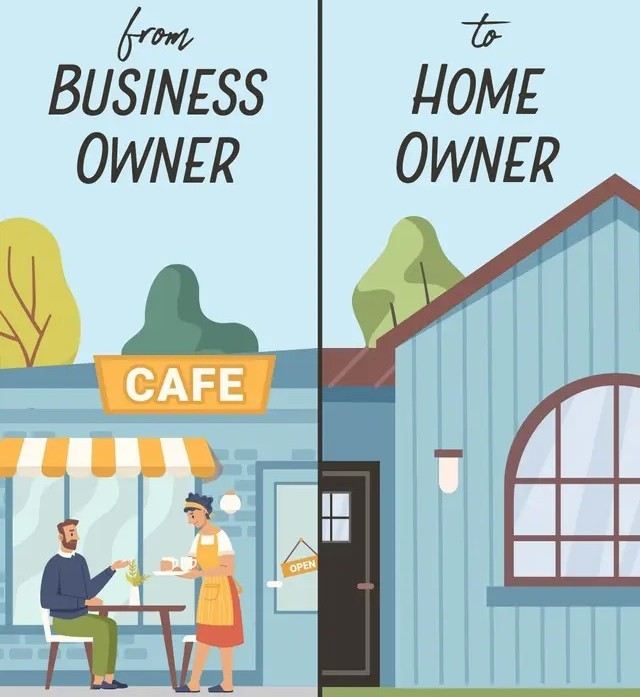
Navigating the mortgage process as a self-employed borrower can present unique challenges. Traditional mortgage options typically rely on tax returns to qualify borrowers, which may not accurately reflect how many self-employed individuals and small business owners actually earn. Mortgage options forself-employed borrowersare designed to address this gap by allowing alternative income documentation, such asbank statementsor 1099 income, instead of relying solely on tax returns. These flexible mortgage programs can support self-employed borrowers who are purchasing or refinancing a home.
Yes, self-employed borrowers can qualify for a mortgage, but the process works differently than it does for W-2 employees. Instead of relying strictly on tax returns, lenders may evaluate income using bank statements,1099s, or business financials to better reflect actual cash flow. These options are especially helpful for borrowers whose tax returns don’t show their full earning potential. Understanding how lenders assess self-employed income is the first step to choosing the right mortgage structure.
Self-employed workers and small business owners often take advantage of tax deductions, which means that their tax returns may not always accurately reflect their yearly earnings. Because of this, it can be harder for self-employed individuals to qualify for traditional mortgage financing. A Bank Statement Mortgage solves this issue by using the deposits and expenses on a borrower’s bank statements to evaluate their income, rather than relying solely on tax returns. This flexibility makes it easier to qualify, providing a straightforward path to homeownership for gig workers, freelancers, contractors, and others with non-traditional income streams. These mortgage options are commonly used by self-employed borrowers who want qualification based on real income rather than taxable income alone.
For self-employed individuals, the process of proving income can be less straightforward than it is for W-2 workers. Lenders specializing in Bank Statement Mortgages, often require alternate forms of documentation. Here’s a short list of alternative income documentation you may be able to use to prove income:
Bank Statement Mortgages generally have specific requirements designed to ensure borrowers can manage mortgage payments:
Credit Score: Most lenders require a minimum credit score of 620, although higher scores can lead to better loan terms and lower interest rates.
Debt-to-Income (DTI) Ratio: Lenders will assess your DTI ratio, which compares your monthly debt payments to your total monthly income. A DTI of 43% or lower is typically favorable.
Down Payment: Most lenders require a down payment of at least 10%. A larger down payment may help lower your monthly mortgage payments and improve your overall chance to get approved.
Self-Employment History: Many lenders require that borrowers provide at least 2 years of self-employment history when qualifying for a mortgage loan to provide income verification.
Whether you’re a seasoned homeowner or have plans to purchase your first property, it’s important to take time and look over your financial situation to set yourself up for the best possible chance to qualify. Here are a few key tips to strengthen your mortgage application:
Strengthening Your Creditworthiness
Smart Financial Practices
Bank Statement Mortgages allow self-employed borrowers to submit the income documentation that makes sense for their situation. That means there areno tax return requirements for a self-employed mortgage.
As a Non-Qualified Mortgage (Non-QM) solution, Bank Statement Mortgages aren’t required to adhere to the same qualifying guidelines as traditional QM loan options. Each Non-QM lender sets its own requirements, providing more options for self-employed borrowers.
Self-employed borrowers can use a Bank Statement Mortgage to purchase a home or refinance. Self-employed borrowers can alsouse a Self-Employed Mortgage for a Rate & Term or Cash Out Refinance.
Calculating self-employed income for a mortgage is based on your unique situation. We can combine W-2, 1099, and Bank Statements to calculate your monthly income. When looking at your business or personal bank statements, we will review either 1 or 2 years of documentation and use our quick calculator to identify your income.
When using a 1099, we will review your total income and take away an expense ratio of 10% (unless otherwise provided) and qualify you on the remaining 90% of income. If you have several forms of income, we will add all of the sources together to determine your average monthly income. We can consider most sources of income that have a two-year history!
Self-employed borrowers will need to submit all required documentation to qualify, such as:
Proof of Income
12 to 24 Months of Personal or Bank Statement
1099 Income
W2 Income
2 Years of Self-Employed Work History
If you co-own a business, you’ll need to document how much of the business you own.
Borrower Financial Details
Property Details
The income documentation you submit depends on how you make your money! If your tax returns don’t accurately reflect your yearly earnings, we can use other income sources.
Many people buying homes may need to combine sources of income to qualify for a mortgage. Traditionally, this means two or more tax returns. However, self-employed borrowers can qualify for a self-employed mortgage using multiple different sources of income documentation.
Yes, self-employed first time home buyers can qualify for a Bank Statement Mortgage. As long as you can submit all the required documentation and meet our specific lender requirements, you can qualify for a self-employed mortgage.
Navigating the mortgage process as a self-employed borrower can present unique challenges. Traditional mortgage options typically rely on tax returns to qualify borrowers, which may not accurately reflect how many self-employed individuals and small business owners actually earn. Mortgage options forself-employed borrowersare designed to address this gap by allowing alternative income documentation, such asbank statementsor 1099 income, instead of relying solely on tax returns. These flexible mortgage programs can support self-employed borrowers who are purchasing or refinancing a home.
Jeremy Boillot
Loan Originator
Getting started is quick and easy
If you have any questions, I'm here for you.
Send Jeremy a message
I will get back to you soon.
By submitting your phone number you are opting in to receive sms messages. Message and data rates may apply.