
Scott English
Loan Originator | NMLS: 133064
Loan Originator | NMLS: 133064
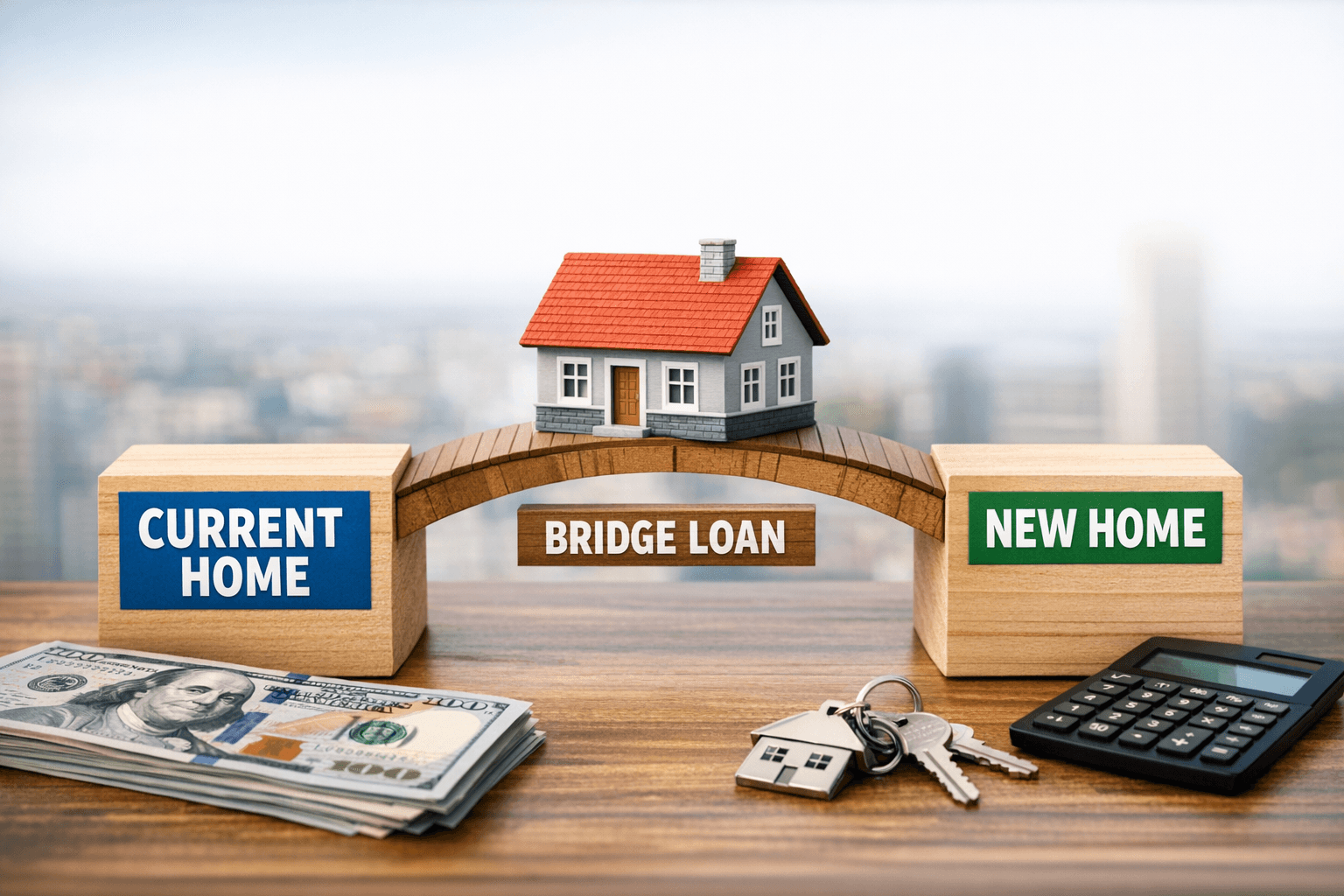
Buying a new home can be one of the most exciting journeys in life. However, it can also feel a bit overwhelming, especially when you're trying to figure out how to make that next move without being stuck in a tough spot. This is where the idea of bridging the gap comes in. It’s all about creating seamless solutions that help you transition from your current home to your new one without the stress.
When you’re ready to buy a new home, it’s common to have a few concerns. Maybe you need to sell your current home first, or perhaps you're worried about financing. The good news is that there are effective strategies to help you bridge that gap so that your next home purchase is smooth and worry-free.
One of the most popular options for homebuyers is a bridge loan. This type of short-term financing is specifically designed to help homeowners buy a new property before they sell their existing one. A bridge loan allows you to tap into the equity of your current home, giving you the cash you need to make an offer on a new place. This can be especially helpful in a competitive market where homes are selling quickly. By having the financial resources available, you can act fast when you find the right property.
Another option could be using a home equity line of credit (HELOC). This is a revolving line of credit that you can draw from as needed. Unlike a traditional loan, a HELOC allows you to borrow only what you need when you need it. This can provide flexibility as you navigate the process of buying and selling. With a HELOC, you can access funds for a down payment on a new home while still living in your current one. Once your current home sells, you can pay off the HELOC and move into your new place without feeling rushed.
If you’re in a situation where you’re ready to purchase but haven’t sold your current home yet, consider discussing with your mortgage loan officer about a contingent offer. This is an agreement that allows you to put in an offer on a new home while ensuring that the purchase is dependent on the sale of your current home. It can provide you with the peace of mind that you’re not fully committed until you’ve sold your existing property.
Timing is another crucial aspect of bridging the gap. You want to plan this transition thoughtfully. Many people find that coordinating the sale of their current home with the purchase of the new one can save a lot of hassle. Make sure to communicate your timeline clearly with your mortgage loan officer so they can assist you in creating a plan that fits your needs.
Additionally, having a solid understanding of your financial situation is key. Before you jump into the home-buying process, take some time to evaluate your budget. Consider your current mortgage, any outstanding debts, and how much you can afford for a new home. This will not only help you in your current search but also in making informed decisions about the options available to you. Your mortgage loan officer can help you analyze your financial picture to determine the best steps forward.
As you prepare to make the leap, remember to set realistic expectations. Home buying can sometimes take longer than anticipated, and there may be bumps along the way. But with a strong team behind you—including your mortgage loan officer—you can navigate these challenges effectively.
You might also think about getting pre-approved for a mortgage, which shows sellers that you are serious and financially prepared to buy their home. Pre-approval can give you a competitive edge in a busy market and also help you understand exactly how much you can afford, making your search easier.
Don’t overlook the importance of working with a knowledgeable real estate agent who understands your needs and can guide you through the process. An experienced agent can help you find properties that fit your criteria and may even suggest opportunities you hadn't considered. Together with your mortgage loan officer, your real estate agent can help you create a seamless transition plan.
As you embark on this journey toward your next home, keep in mind the value of communication. Regularly check in with your mortgage loan officer about your progress and any changes in your situation. They are there to support you and can provide guidance tailored to your specific needs.
It’s also worthwhile to consider any other potential costs associated with moving. These might include closing costs, moving expenses, and any repairs or renovations you want to do on your new home. Budgeting for these can help you avoid surprises down the line.
Lastly, remember that this process should be as enjoyable as it is practical. Take the time to envision your new space and what it will look like. Whether you’re moving up, downsizing, or relocating, the excitement of finding a new place to call home is something to look forward to. With the right planning and the support of professionals who understand the nuances of your situation, you can bridge the gap effectively.
If you're ready to explore your options and want to learn more about how to make your next home purchase as seamless as possible, please reach out. Let's discuss your specific needs and create a plan tailored just for you!
Loan Originator
Barrett Financial | NMLS: 133064