
Michelle Lanigan
Loan Originator | NMLS: 869093
Loan Originator | NMLS: 869093
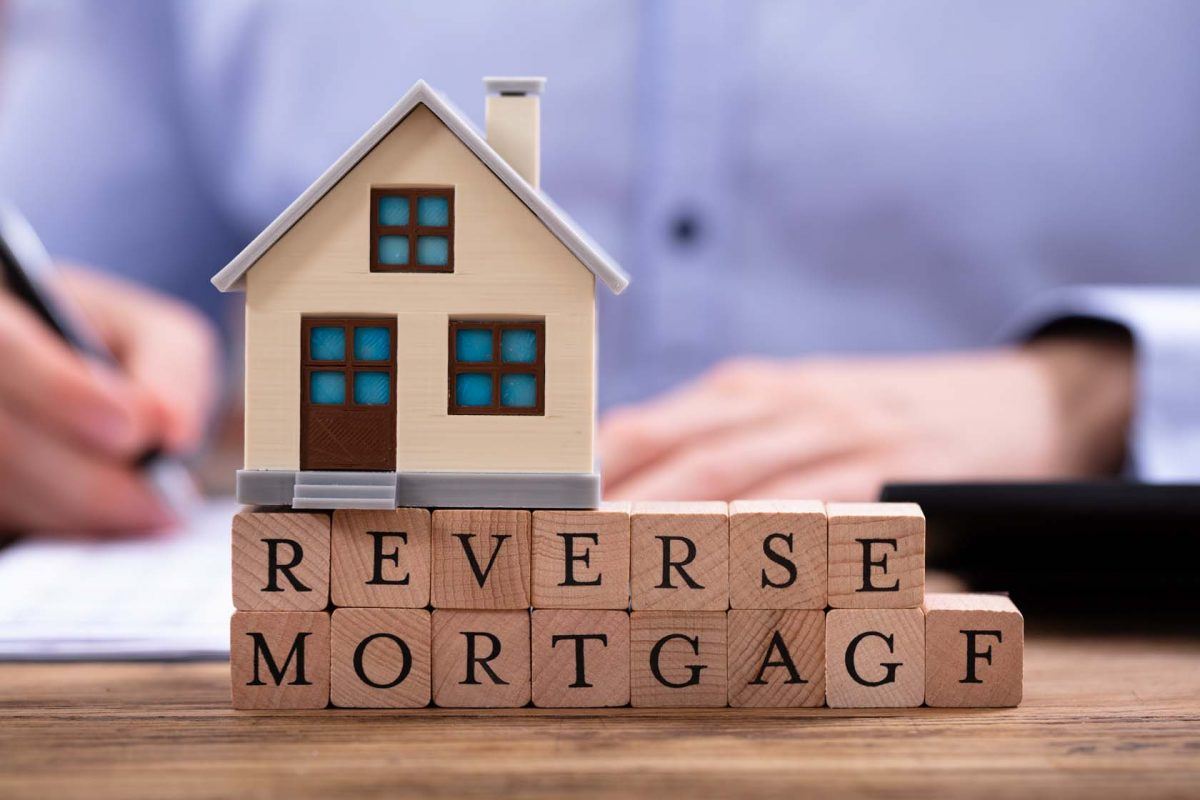
Are you feeling the financial squeeze? Many people face this challenge, especially as they navigate through retirement or manage fixed incomes. If you or someone you know is looking for ways to ease financial burdens, a reverse mortgage might be a solution worth considering. Let’s explore what a reverse mortgage is, how it works, and how it can help relieve some of those financial pressures.
First, let’s break down what a reverse mortgage actually is. Unlike a traditional mortgage, where you make monthly payments to the lender, a reverse mortgage flips that idea on its head. Instead of you paying the lender, the lender pays you. This is typically based on the equity you have built up in your home. The most common type of reverse mortgage is the Home Equity Conversion Mortgage (HECM), which is insured by the Federal Housing Administration (FHA).
So, how does this work in practice? When you take out a reverse mortgage, you can receive funds in several ways: a lump sum, monthly payments, or a line of credit. The choice depends on what fits your needs best. Imagine being able to tap into the value of your home to cover expenses like medical bills, home improvements, or even everyday living costs without having to sell your property. This can provide much-needed financial relief.
One of the appealing aspects of a reverse mortgage is that you can continue to live in your home as long as you maintain it, pay property taxes, and stay current on homeowner's insurance. This means you don’t have to worry about moving or uprooting your life just to access funds. You’re using what you’ve already invested in your home to help you manage current and future expenses.
Now, let’s talk about who can benefit from a reverse mortgage. Generally, you need to be at least 62 years old and have sufficient equity in your home. This option is particularly attractive for retirees who may be cash-strapped but own their homes outright or have a significant amount of equity. It’s also a viable option for those who want to supplement their retirement income without the stress of monthly payments.
While reverse mortgages can be beneficial, it’s essential to understand how they work and the responsibilities that come with them. The loan amount is based on the age of the youngest borrower, the value of the home, and current interest rates. This means that older homeowners may qualify for larger amounts. However, the total loan amount grows over time as interest accumulates, which can reduce the equity left in the home for heirs.
It’s also important to note that a reverse mortgage is not free money. The funds you receive will need to be repaid when you sell the home, move out, or pass away. If you decide to sell the property, any remaining equity after repaying the loan will go to you or your heirs. This can still be a beneficial arrangement if you plan to use the funds wisely.
One nuance to consider is that reverse mortgages can be complex. There are closing costs, insurance premiums, and interest rates that can affect how much you ultimately receive. It’s crucial to go over the specifics and understand all terms involved. That’s where professional guidance becomes invaluable. You want to ensure you’re making the most informed decision possible.
Many homeowners are concerned about how a reverse mortgage might affect their heirs. It’s a valid concern. While a reverse mortgage can help you financially in the short term, it may leave less for your heirs. That’s why discussing your financial goals with your family is essential. Help them understand how this option works and how it could benefit you now while also considering their future.
You might be wondering about the application process. To qualify for a reverse mortgage, you will need to go through a thorough assessment. This typically includes a financial assessment to ensure you can meet the obligations tied to the loan, such as paying property taxes and insurance. The process can feel overwhelming, but working with a knowledgeable mortgage professional can help simplify it.
If you decide that a reverse mortgage could be a good fit for your financial situation, there are several steps you can take. First, gather information about your current financial situation, including your home’s equity, existing debts, and monthly expenses. Next, openly discuss your needs and goals with a trusted mortgage professional who can guide you through the options available to you. They will help you understand the potential benefits and drawbacks, ensuring you make a decision that aligns with your financial aspirations.
Don’t hesitate to reach out for help. Whether you want to know more about how a reverse mortgage can work for you or need assistance navigating the process, I’m here to support you. There’s no obligation, and the conversation can be very enlightening. Getting a solid understanding of your options can empower you to make choices that ease your financial burden.
Understanding how a reverse mortgage can ease financial burdens is the first step toward taking control of your financial future. By using the equity in your home, you can create a more comfortable lifestyle for yourself. Let’s talk about your specific needs and how we can work together to help you reach your goals. Reach out today, and let’s get started on this journey together!
Loan Originator
Barrett Financial | NMLS: 869093